
It's the first time in three years inflation's been over 4%, and the markets are freaking out. Consumer prices rose 4.2% over the 12 months ending in May, the Bureau of Labor Statistics reported on June 10 — the hottest annual reading since April 2023. Prices are up 0.5% in May alone. Hours after the announcement, traders had scrapped the 2026 rate-cut playbook; CME FedWatch showed about a 70% probability of at least one rate hike by year-end, up from almost nothing. Tech stocks were down, financial TV dusted off their old 2022 inflation graphics, and "stagflation" began trending.
Before you reprice your whole financial life based on this number, take a breath. The same report shows that "core inflation" – prices without food and energy – only rose 2.9% over the year, and only 0.2% over the month. Three-month annualized core inflation is running somewhere between 2% to 2.5%, which is not far from the Federal Reserve's target. The shocking number and the normal number came out of the same spreadsheet. The difference between them is almost exclusively gas prices.
How did we get to 4.2%?
The BLS's details make it clear. The gasoline index alone went up 7.0% in May, and has risen 40.5% over the year. Energy as a whole rose 3.9% over the month and 23.5% over the year. Energy alone was responsible for over 60% of the entire monthly CPI increase, the BLS itself noted. Just one month ago, the conversation was about whether April's 3.8% reading meant the inflation fight was over. May answered that question, just not in the way anyone wanted.
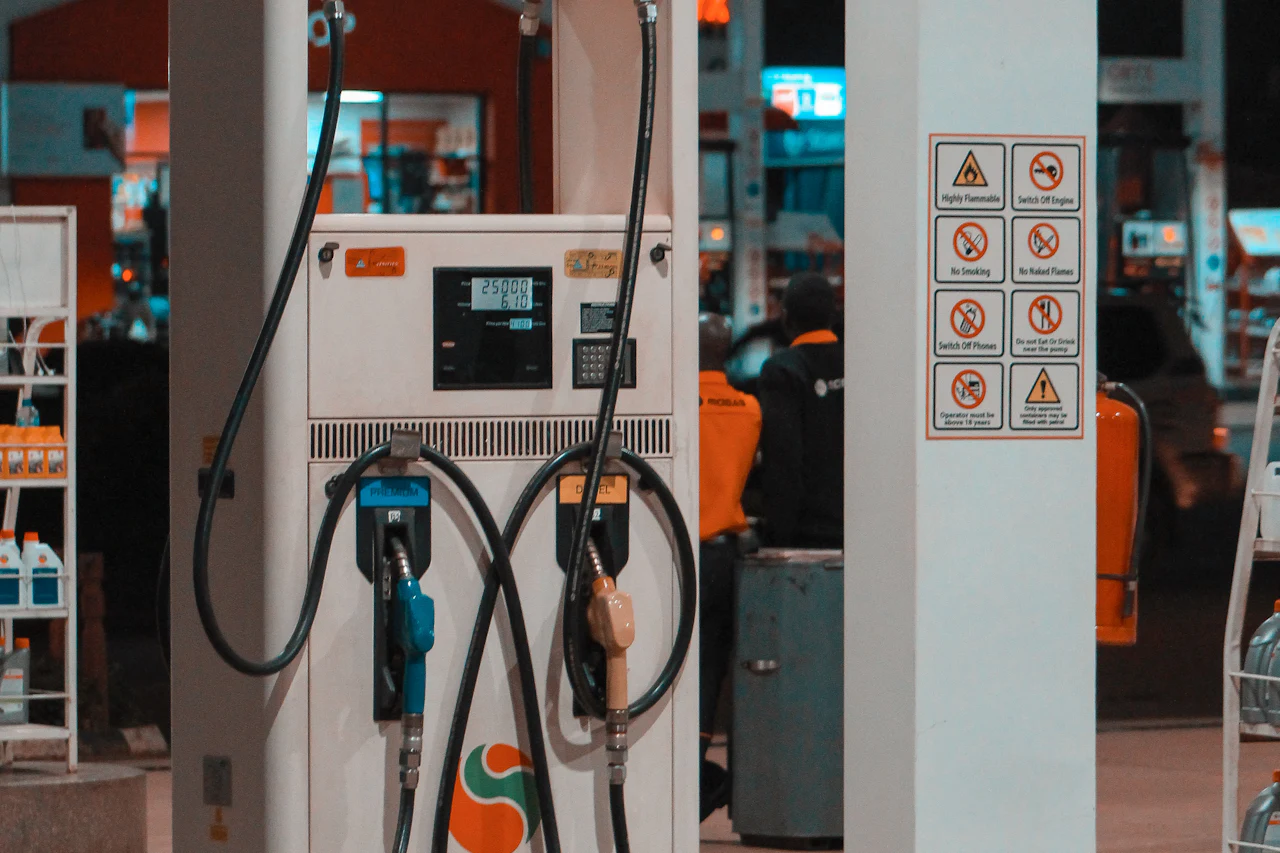
The cause is not mysterious. Oil flows through the Strait of Hormuz, through which runs about one fifth of the world's seaborne crude, have been disrupted by the war between the US, Israel and Iran. When that much oil must move through a war zone, crude prices skyrocket, and in a few weeks, gas prices follow in the US. May's CPI is the first monthly measure that reflects that pass-through.

This difference is crucial in how you should interpret the headline. A 4.2% number due to rising housing, services and wage prices would indicate an economy running too hot, inflation feeding on itself and forcing the Fed's hand. A 4.2% inflation number driven by one commodity and one shipping lane, however, is a supply shock: painful and real at the pump, but a fundamentally different disease with a different cure.
The Fed's favored number paints a different picture
Core CPI exists precisely because it isolates instances like this. Food and energy prices are volatile for reasons unrelated to the underlying economy, and economists strip them out to get a clearer sense of underlying trends. That underlying trend, 2.9% annually and on a cooling three-month pace, has hardly budged.
Bond yields have reflected this. Despite the hotter headline number, bond yields have hardly budged. J.P. Morgan Wealth Management analyst Phil Camporeale stated that the muted bond yields "validate that this is a supply-driven inflation shock versus an overheating demand-driven economy." Put more plainly, the money that moves with the most conviction saw 4.2% and concluded that the economy is not actually boiling over.
This is not unprecedented. Central bankers usually look through energy shocks because there is little they can do to drill a well or open a shipping lane by raising interest rates. Raising rates reduces demand, and it wasn't demand that drove gas prices up 40%. The standard prescription for an oil shock is to wait and see if expensive energy causes other prices to rise, and only act if they do.
Then why are markets pricing rate hikes?
Because there's a scary second chapter. Supply shocks can remain isolated only so long. Oil is an input into almost everything: jet fuel delivers your package, diesel fuels your grocery truck, petrochemicals are part of your detergent. If crude remains elevated for several months, then these costs will trickle into your airfare, groceries and shipping costs, and the gasoline shock morphs into an economy-wide inflation shock. This "second-round effect" distinguishes a bad summer from years of suffering.
This is the scenario the 70% hike odds are really pricing: not that May's CPI mandates action, but that a protracted war will. Multiple analysts have mentioned a key threshold: if the Strait of Hormuz remains blockaded past Labor Day, the energy shock may start to ripple further, leading to rate expectations adjustments once again. Some forecasts are now pushing back expected rate cuts until late 2027 if headline CPI continues to run above 4%. In addition to economics, the Fed has its own credibility to consider, having been burned by using the word "transitory" back in 2021, and may feel pressure to respond to appearances regardless of the underlying economic trends.
Honestly, the Fed is stuck. A rate hike amid an oil shock hurts an economy that isn't over-heating. Cutting rates while the headline figure reads 4.2% looks imprudent. It's the same trap we covered when we looked at the Fed's impossible balancing act, except the walls just moved closer together. The most likely outcome is one that satisfies no one: sit tight for months while everyone watches tanker traffic in a strait that most Americans couldn't identify on a map.

So what does this mean for you?
For your household budget, the pain is specific rather than widespread. Gasoline, and everything that is trucked or flown, is where the hurt lies. Expect food and airfares to join it if the war continues — on top of the tariff-driven grocery increases already working through the system. Underlying goods and services are for now behaving themselves.
For your savings, the delay in rate cuts is quietly good news. High-yield savings accounts paying 4-5% would have diminished as the Fed began to lower rates; now, that schedule has likely shifted back by a year or more. Earning more than core inflation on your cash is still a viable strategy.
For borrowers, it's the opposite story. Long-term bond yields and Fed expectations drive mortgage rates, and those who were banking on cheaper borrowing in 2026 will likely have to wait longer — something to factor in if you've been running the rent-versus-buy math this year. Refinancing your way out of a difficult situation is unlikely to happen this year.
For investors, it's tempting to react to the headline number. However, the bond market, observing the same data, has concluded that the underlying economy is not actually overheating. Before making a portfolio shift based on a war-driven surge in gas prices, it's important to consider whether you believe the 4.2% number on the front page or the 2.9% number beneath it is more representative. Keep an eye on core CPI and crude prices for the next two reports; that pairing will provide the answer long before the Fed does.
Sources
- U.S. Bureau of Labor Statistics — Consumer Price Index Summary — May 2026
- CBS News — Inflation topped 4% in May as CPI surged to its highest level in more than 3 years
- Fortune — Inflation is back above 4% for the first time since 2023
- TheStreet — Hot May CPI sticks a pin in Fed rate-cut bets