
The frozen shrimp in your cart is more expensive than it was a year ago. So is the tilapia, the coffee, the canned tuna, and the Roma tomatoes. None of it is a coincidence.
Until 2025, most frozen shrimp entered the United States nearly tariff-free. Then the administration imposed reciprocal tariffs — 36% on Thailand, 46% on Vietnam, and on China a rate that peaked at 145% before being negotiated down — on the three countries that together supply the majority of US shrimp imports. In the first ten months of 2025, the US collected $385.9 million in shrimp tariffs alone. By December, frozen shrimp retail prices were up 12%. Fresh shrimp hit an average of $8.92 per pound. A product that was cheap because it was lightly taxed stopped being cheap almost overnight.
Shrimp is the most dramatic example. But it's not the only one.
Tariffs work like a tax at the border. When a US importer brings in a shipment and pays a 25% or higher tariff, they have two choices: absorb the cost, or pass it on. They pass it on. Every time. What changes is how much, how fast, and through how many layers of the supply chain before it reaches your cart.
What's Actually In Your Cart
Not everything is affected equally. Here's a rough breakdown of items most people buy weekly:
- Frozen shrimp — up 12%, top three suppliers hit with tariffs of 36–46% (and China briefly 145%)
- Strawberries, Roma tomatoes, avocados, peppers, cucumbers — mostly from Mexico, subject to a 17% tomato duty and potential 25% tariffs on non-USMCA goods
- Ground coffee (Folgers, Maxwell House, Starbucks beans) — tariffs that briefly hit 50% on Brazilian imports before a November 2025 exemption order; up nearly 20% year over year
- Canned tuna, canned beans, canned tomatoes — steel and aluminum tariffs (25%) hit packaging on everything that comes in a can
- Olive oil — imported almost entirely from Europe, affected by baseline tariffs
- Ground pork — up 14–33% depending on origin and retailer
- Beef — up 12.1% March 2025 to March 2026
Mexico Is Your Produce Department
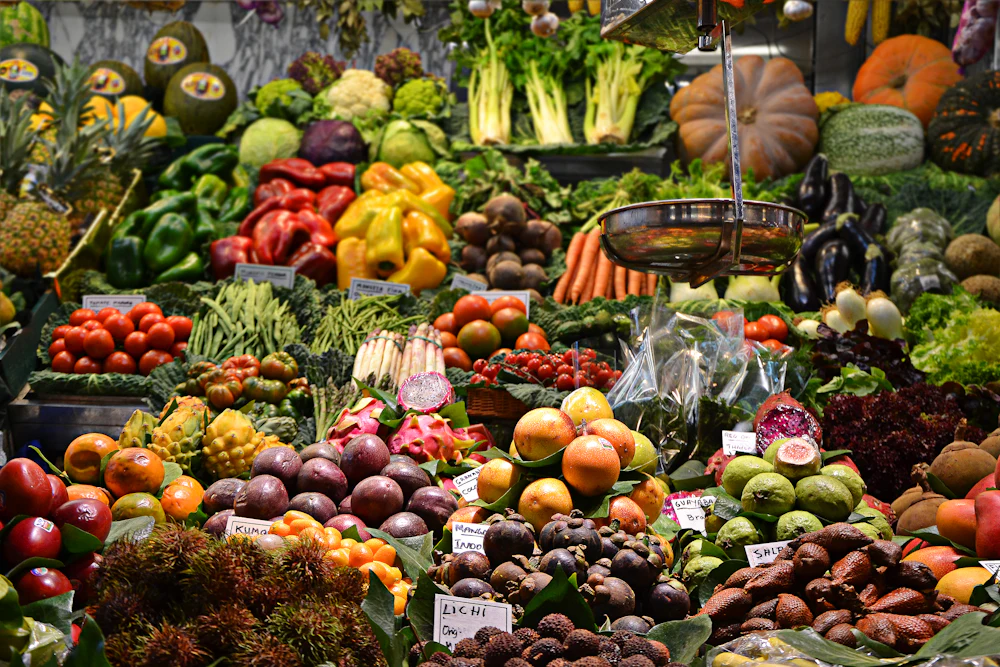
Mexico supplied 69% of US vegetable imports and 51% of US fresh fruit imports — with total Mexican agricultural exports to the US running roughly $44 billion in 2025, making Mexico the single largest source of US-consumed produce by dollar value. In July 2025, the US imposed a 17% duty on most fresh Mexican tomatoes after negotiations over a long-standing trade agreement collapsed. Mexico supplies roughly 70% of the US fresh tomato market.
The important nuance: goods qualifying under the US-Mexico-Canada Agreement are exempt. About 82% of Canadian and Mexican food imports are now entering tariff-free. But the 18% that isn't is where prices have moved hard.
The Seafood Aisle Has Moved the Most — Here's Why
The US imports roughly 80% of the seafood Americans eat. Most people assume the fish at the grocery counter is American-caught. It isn't. Shrimp, tilapia, canned tuna, and most processed seafood comes from Asia. A 12-ounce bag of frozen tilapia at Hannaford went from $5.99 to $8.79 in twelve months — a 46.74% jump. With country-specific tariffs hitting the top three shrimp suppliers and Chinese goods briefly taxed at 145%, the frozen seafood aisle has moved more than anywhere else in the store.
The Items Moving the Most
Beef and veal prices were 12.1% higher in March 2026 than a year earlier. USDA is now projecting a 12.1% increase for the full year, with the tightest cattle herd in decades pushing wholesale prices to records. Coffee is up nearly 20% year-over-year. Across tariff-affected categories, estimates put the additional consumer cost at 3–10% — which for a family spending $800 a month on groceries works out to roughly $45 extra per month, or $540 a year.
The Domestic Producer Effect
Tariffs raise prices for domestic producers too, not just imports. When Mexican tomato prices rise because of a 17% duty, Florida tomato growers don't have to hold their old price anymore. The competitive pressure keeping them in line is reduced. Domestic producers quietly raise prices to match the new market rate. You pay more whether you're buying Mexican or domestic — and this is why the actual price impact is typically larger than the tariff rate implies.
The Worst May Still Be Ahead
Federal Reserve research shows tariff pass-through begins within days of announcements and stabilizes at roughly 5 to 9 months for most food categories. Tariffs on most goods went into effect in early-to-mid 2025. By that timeline, the bulk of the retail impact lands in mid-to-late 2026. What you're paying now may not be the ceiling.
What This Isn't
Not everything in your grocery bill is tariffs. The egg spike of 2024–2025 was primarily avian flu. Energy affects transport and refrigeration. Labor costs have risen steadily since 2020. Tariffs are one of several forces pushing food prices higher — but for frozen seafood, canned goods, coffee, tomatoes, and pork, they're a measurable, specific one. The gap between what you paid in early 2024 and what you pay now isn't entirely explainable by anything else.
Related Reading
Sources
- U.S. Trade Representative — Section 301 tariff actions — country-specific rates and schedules
- USDA Economic Research Service — Food price outlook — retail grocery price inflation data
- U.S. Bureau of Labor Statistics — CPI detailed tables — food at home by commodity
- Reuters — NPR — Why grocery prices are so high: tariffs contributing to higher prices for bananas, coffee and staples (Sept 2025)