

For your entire life, you've been told one thing: ownership is the key to wealth. Renting is simply what you do while you save up to buy something outright. Buy a house rather than pay rent. Buy a car rather than lease it. Own it, build your equity. This has been the gospel of every piece of money advice given to the average Joe.
Here's the awkward truth: the world's wealthiest people stopped following this rule years ago. They aren't buying their private jets, vacation homes, or even their club memberships in the way you might think. They're renting access to them, by the hour, by the night, by the year. Ownership, the thing you're striving for, is something they're intentionally giving away.
This disparity is important because this same "pay monthly to access" model is being pitched to you. The difference? When the wealthy do it, it's a strategic move that increases their wealth. When it's sold to you, it's usually a way to spend money you don't have on things you'll never own.
What the rich really rent
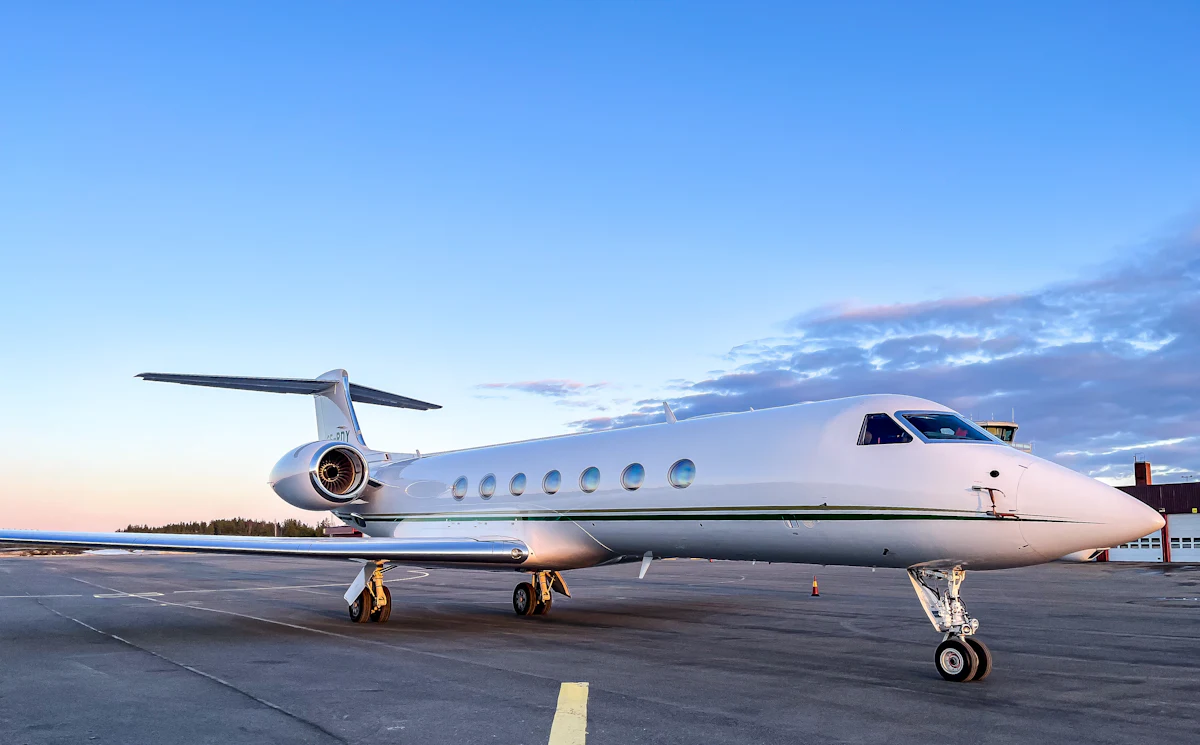
Let's start with the ultimate status symbol: the private jet. Practically no one at the top still buys a jet outright anymore. They buy a fraction of one. A one-sixteenth share in a NetJets plane gets you about 50 flying hours a year and costs anywhere between $700,000 and well over a million up front, on top of a monthly management fee. You never own the jet; you own a contract that allows you to use one when you need it.
The country club, the old symbol of having "made it," works the same way. For top American private clubs, the initiation fee alone can exceed $100,000, followed by annual dues of $14,000 to $22,000. You're not buying the golf course. You're buying the right to walk on it.
Even the second home is being segmented. Services like Exclusive Resorts offer members the use of a portfolio of luxury homes across the globe for annual dues of about $25,000 for a couple of weeks of stays, instead of millions tied up in a property that sits vacant most of the year. The villa in the pictures isn't their property; the access is.
Why they're doing it deliberately
This is not some fleeting trend among the rich. It's a calculated financial move, and once you grasp it, it's hard to unsee.
Every dollar invested in a depreciating asset like a jet, a boat, or a holiday home is a dollar that isn't growing and is actively losing value. A $5 million plane loses value the moment it flies, costs a fortune to crew, insure, and hangar, and is likely only used for a few weeks out of the year. If you invest that same $5 million in revenue-generating assets (the kind most wealthy households already have), it can generate enough annual income to rent more jet time than you'd ever need, while the principal continues to grow.
The luxury market has caught on and reoriented itself around this concept. As one industry analysis put it, luxury is no longer defined by ownership; access has become the most valuable form of prestige. Family offices are now deliberately redirecting funds away from owned assets and toward revenue-generating ventures, then renting the associated lifestyle. The trophy isn't the item anymore; it's the freedom from being burdened by it.
The hack, then, is straightforward. Let your capital work for you, and pay a small fraction of its earnings to access the expensive stuff only when you use it. Own what appreciates; rent what depreciates.
The version they sell to you
Now look at how the same "access over ownership" pitch is being presented at the other end of the income spectrum, and the scam becomes clear.

You're not being offered a smart way to keep your money working while renting a jet. You're being offered a way to spend money you don't have on things that are either depreciating or will disappear entirely:
- Buy now, pay later: Splitting a $200 pair of sneakers into four installments isn't about freeing up capital to invest. It's about taking on debt to be paid next month, and as we saw when Klarna began reporting these payment plans to credit bureaus, the bill can follow you around.
- Subscriptions for everything: Streaming services, software, even cars and furniture by the month. While convenient, a pile of small, recurring charges for items you'll never own can quickly add up to a significant amount of money, as we discovered when we totalled up the subscriptions people forget they're paying for.
- Renting the lifestyle without building it: Designer clothing for a week at a time, a new phone on a constant installment plan. You get the image of ownership, but not the asset itself.
The mechanics are identical to what the wealthy are doing, but the outcome is reversed. They rent access to keep their money growing. You're being encouraged to rent access so that a lender, platform, or brand can take a slice of money that would be leaving your account anyway.
How to employ the rich version
The great news is that the underlying principle here is available to everyone, and it costs nothing to adopt. It's not about getting a NetJets card. It's about understanding which side of the equation you're on.
The rich person's golden rule is worth stealing wholeheartedly: own assets that generate income, and only rent things that drain it. A house you plan to live in for a decade might be a wise purchase. A car you'll replace in three years, a wardrobe that will soon be out of style, a gadget that will be outdated next year, these are depreciating toys. Renting or buying them cheaply and investing the difference is the smart move, not financing them and feeling like you own them.
This also changes the conversation around the rent vs. buy debate, which dominates much of money advice. As we showed in our look at whether renting can actually make you richer than buying, renting is not inherently the losing strategy. If renting frees up capital that you actively invest, you might just be playing the same game the rich are, just on a smaller scale.
The deciding factor between these two versions of the trend isn't your income level. It's whether the money you save by not owning something genuinely starts working for you or simply goes to someone else's bottom line. The rich have realized that access can be a tool for staying rich. The danger lies in paying for access without also reaping the benefits of what pays you back.
Sources
- FlyCraft — NetJets Fractional Ownership: Costs & Fleet (2026)
- Private Club Marketing — Most Exclusive Private Club Membership Costs & Fees (2026)
- Exclusive Resorts — Membership: How It Works
- Hype Luxury — The Bespoke Club Economy: Membership Is Replacing Ownership