

Ask most Americans what they spend on subscriptions and the guess comes in low, usually well under $100 a month. The real number is far higher. Consumers spend about $273 a month on average, roughly $3,300 a year, and in that same research 89% underestimated their own total, most of them by more than $200 a month. They miss in the same direction every time: they guess low.
None of the individual charges are high, and that's exactly the point. A subscription is designed to feel like a rounding error: a $6.99 fee here, an $11 charge there, a free trial you promised yourself you'd cancel. The damage lives in the stack, and the stack remains hidden because hardly anyone adds it up. The average person keeps five to eight subscriptions on automatic, and most couldn't name all of them without checking.
The charges you've forgotten about
Begin with what you no longer use. About 42% of people admit they're still paying for a subscription they forgot they had. That gym you stopped visiting in February; that cloud storage you've outgrown; that streaming service you subscribed to for one specific show and never used again; that free trial that became a paid one without so much as a notification email. They are all still quietly ticking away in the background, taking a cut from a card on file you haven't thought of in years. This forgotten layer is the easiest money anyone throws away, because there's no difficult choice to be made between competing needs; it's simply a charge for something you've already walked away from.
Then there are the duplicates. Plenty of households pay for overlapping services without realizing it, most often in streaming, where two people under one roof keep separate accounts for content they could share on one plan. It's the same story for music. A single family plan rather than two individual accounts is the easiest saving most households never bother to make, and it can be worth $100 or more a year on that switch alone.
It's not just streaming anymore
Part of the reason the total has ballooned is that subscriptions have trickled into every area of our lives previously occupied by a one-time purchase. Software that was once bought outright is now a monthly cost. Newspapers, fitness apps, cloud storage, password managers, meal delivery services, gaming libraries, and grocery subscriptions all run on automatic payments. Some carmakers have pushed the idea even further: Mercedes charges a yearly fee to unlock extra acceleration that's already built into its electric cars, and BMW spent a year billing drivers monthly for heated seats before backing down after the backlash.
For the companies, it's a fantastic model. They know how to predict revenues, and a long-term customer is immensely more valuable than a single purchase. For us, it means our monthly bill grows steadily, and each new subscription is easy to wave through because it's only a few dollars. Five subscriptions can quickly become a dozen without any single one ever feeling particularly expensive.
The bill climbs on its own
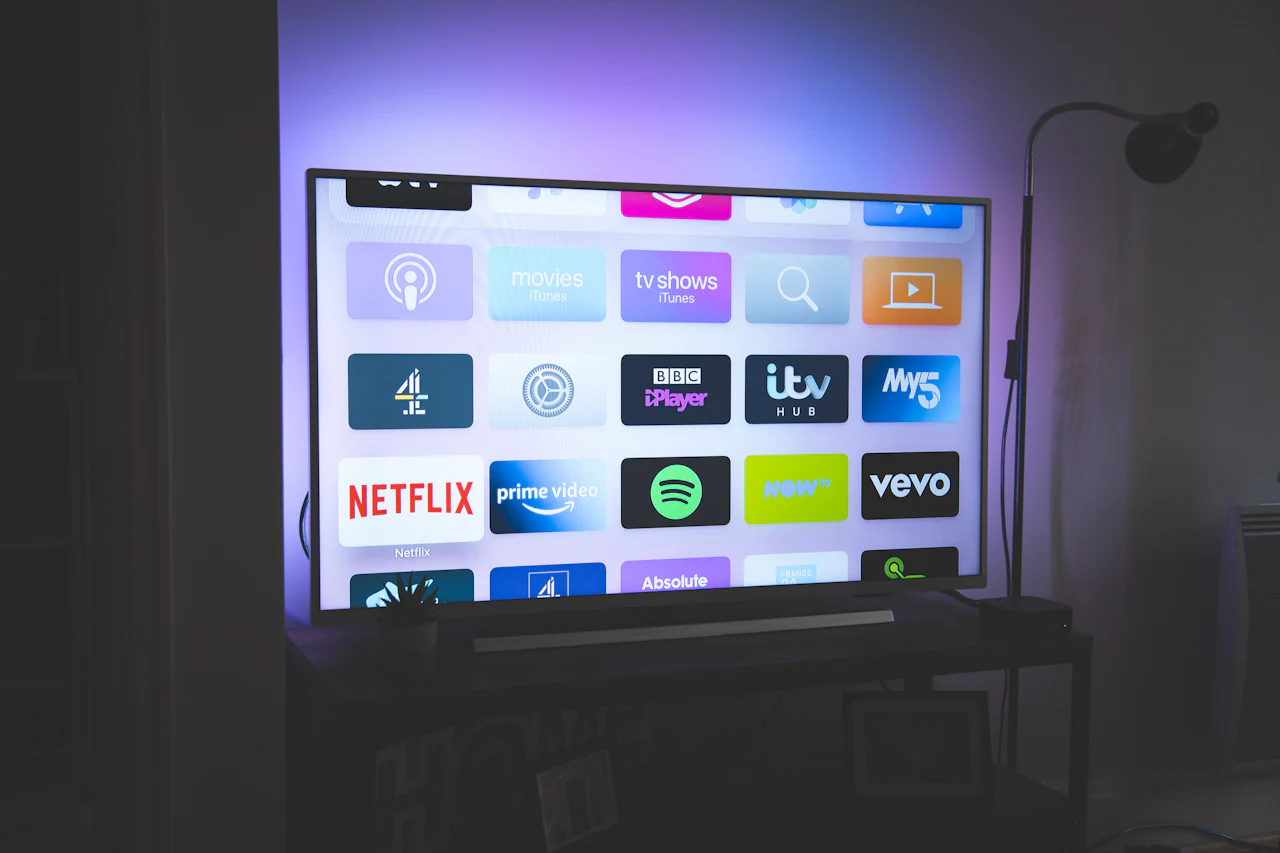
Even without you consciously adding more services, the total will increase on its own. 2026 has been a steady period of price hikes across all major platforms: Netflix has increased its prices again, and its standard ad-free tier is now $19.99; Paramount increased its ad-supported tier from $7.99 to $8.99 and its ad-free tier from $12.99 to $13.99; HBO Max increased all of its prices by a dollar; and Spotify is reportedly on track for a $1 increase.
Each of these dollar-a-month increases is designed to be too small to motivate cancellation. Like the price increases you see on the supermarket shelf, these subtle jumps barely register. The exact same increase applied all at once would cause people to switch providers within days, but this slow drip is the intentional strategy.
The part designed to be hard
Subscriptions stick because auto-renewal places the burden of cancellation on the consumer. The default is that you continue to pay unless you actively intervene, and taking action is made difficult: signing up takes one tap, while cancellation can involve digging through hidden menu options, spending time with a customer retention representative, or resetting a password you haven't used in years. Recurring charges are also starting to show up on your credit report, much like the early days of buy-now-pay-later services.

Regulators have attempted to address these issues. The FTC's "click-to-cancel" rule would have required businesses to make leaving a subscription just as easy as signing up and to provide clearer disclosure, but the Eighth Circuit Court of Appeals blocked the rule in July 2025 on procedural grounds, ruling the agency had skipped a necessary economic analysis. The FTC has reopened the rule-making process, but a workable replacement will be many months, if not years, away. Until then, it's up to us to catch every charge.
The audit: your annual declutter
The solution is straightforward and it works: once a year, take time to review every recurring payment, then justify each subscription or eliminate it. You'll spend about twenty minutes, and it's likely the highest hourly rate you'll achieve all month.
- Scan the past three months of bank and card statements, as well as PayPal and your subscription lists in the Apple and Google app stores, where free trials often hide.
- Identify and cancel any service you haven't used in 30 days. If you can't recall the last time you opened it, cancel it now; you can always resubscribe if you truly miss it later.
- Look for duplicates and overlaps, particularly in streaming and music, and consolidate into a single family plan.
- Check your current subscription tier. Many people pay for the top plan when they only use the basic functions offered in the cheapest plan.
- Schedule a calendar reminder the day before any free trial is set to expire. Commit to the annual audit appointment to prevent small, compounding increases.
The goal is not to cancel all your subscriptions. A service you use daily that only costs a few dollars a month is a worthwhile investment. The objective is to ensure that these are active choices rather than passive ones. As the system is currently designed, inertia costs money. Those delayed decisions to "deal with it later" are why our household budgets feel so strained. An annual review can put you back in control.
Sources
- West Monroe — The State of Subscription Services Spending
- C+R Research — Subscription Service Statistics and Costs
- CNBC — Netflix raises prices across all streaming plans
- Sidley Austin — U.S. FTC "Click-to-Cancel" Rule Struck Down