

A headline about an upcoming recession pops up every few months, and it sounds like an ominous threat without ever clarifying exactly what happens to the money in your bank account. It is not a market crash, a stock market fluctuation, or something exclusively affecting financiers. A recession is a slowdown in the physical economy which will impact your paycheck, savings and investments in distinct ways at various times. Below is a simple explanation of this phenomenon, in the order most people start to worry about it.
What exactly is a recession?
The popular description is two consecutive quarters of decline in GDP. The National Bureau of Economic Research in the US determines this based on a variety of factors including employment, income, consumer spending and production, and usually makes the announcement a couple of months after a recession has begun, so it may be half over by the time people are officially aware of it.
Recessions are fortunately temporary. From 1945 through 2019, an average recession lasted around 11 months, while the 2020 pandemic recession was only two months long, making it the shortest on record. While they are painful, they are merely periods when the economy "exhales," and they are always followed by a more positive phase than before.
Is my money in the bank safe?
Generally speaking, yes, and this is a source of fear which may be put to rest first. In the US, the FDIC insures bank deposits up to $250,000 per depositor, per bank, and there has never been an issue with a withdrawal under these circumstances. When a bank does fail, a healthy bank typically acquires the deposits, and it will appear as though customers are making payments by Monday morning. In the 2008 crisis, the most severe financial event in modern history, insured depositors didn't lose a penny.
Holding cash does expose it to a more gradual danger, namely inflation, which can deplete your purchasing power even when the number in your account doesn't decrease. This is the downside of keeping cash on hand, and it means a static emergency fund, while safe, is costly in that respect.
What about job security?
This is the one component of a recession that affects people directly. Consumer spending falters, leading to a dip in company sales. The first action most companies take is to cut back on hiring, followed by job cuts. Unemployment is usually the last wound of a downturn and keeps rising even after growth begins, because companies wait until a recovery is clearly underway before they rehire.
It does not hit everyone equally, though. During the Great Recession, unemployment climbed from under 5 percent to a peak of 10 percent, and it took years for the market to recover. The pandemic's jump was far steeper but briefer, and not all sectors suffer to the same degree: travel and leisure industries, along with construction, are likely to lose the most jobs, while medical and public-service fields tend to hold up.

Why does the stock market drop so early on?
Markets are primarily a bet on future events. They try to anticipate a recession and fall ahead of it, which means they can decline while the economy still looks buoyant and bottom out before the headlines turn decidedly negative. Stock markets and the real economy simply do not run on the same calendar.
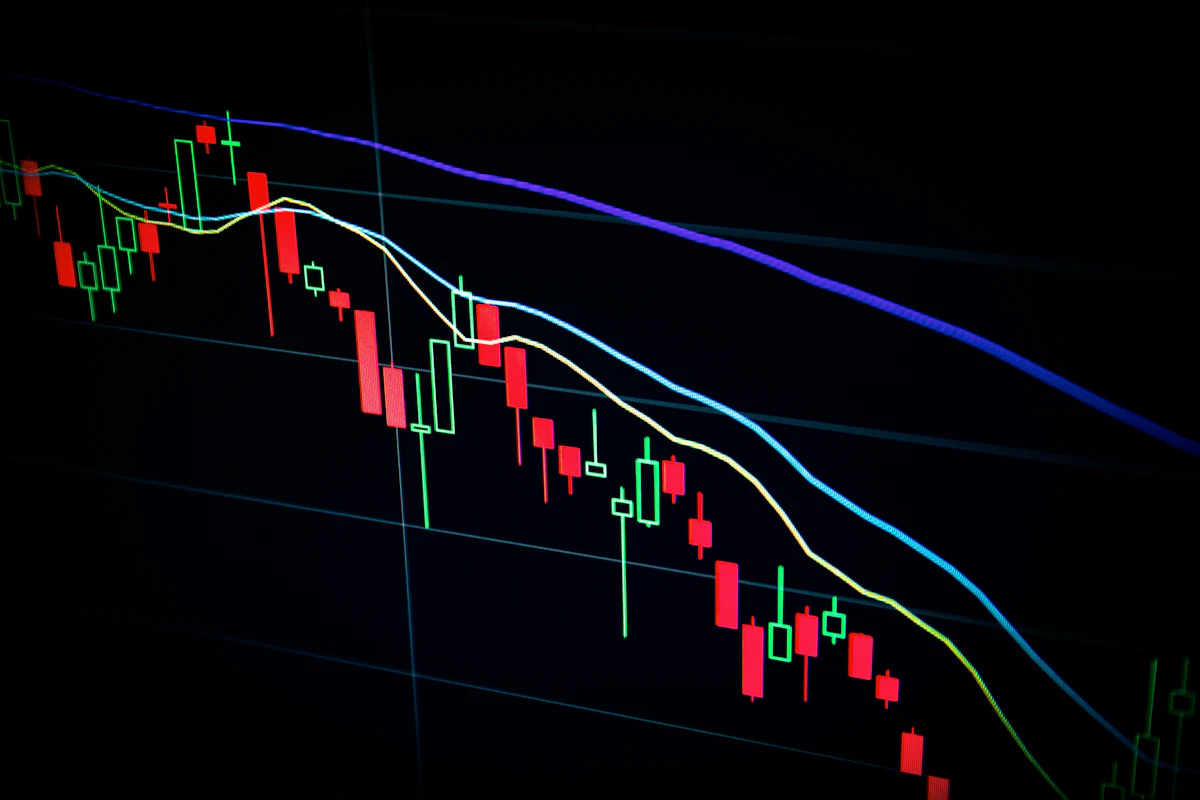
These falls can be severe. The S&P 500 fell 57 percent from its 2007 high to its 2009 low. The number is frightening on its own, but it is also where many ordinary investors make one of the worst decisions they can, which brings us to the real question.
Should I continue to invest or cash out my portfolio?
If you sell your holdings during a crash, you lock in the losses and then risk being out of the market for the recovery. Sharp market rises often come hard on the heels of steep losses, sometimes within a few days, and missing a handful of them can wipe out a decade of gains. Historically, those who wait out the market tend to outperform those who trade. But that also depends. A general rule on investing is never to invest more than you are comfortable with losing.
However, this does not make it a time to act without consideration. The sensible moves are generally quite boring:
- Keep an emergency fund of three to six months in cash so you don't have to sell stocks at the bottom of a crash to pay rent.
- If you have years before you need the money, keep investing on a regular schedule; because prices are lower, each contribution buys more shares.
- Avoid taking on further expensive debt, since your income is least predictable in a downturn.
- Don't obsessively check your portfolio every day; the numbers will reflect the crash and only encourage emotional selling and increase anxiety.
This advice only works if your portfolio was already sensibly structured with a mix of assets.
How long does a recession last?
Recessions are always followed by recoveries, which tend to arrive sooner than people expect. It normally takes about a year for the economy to re-accelerate, though many won't feel financially secure for longer. Stock markets run on their own clock: a typical bear market has taken roughly two years to get back to its old high, and the deepest crashes closer to four.
The key thing to remember is that a recession is something you live through, not the end of everything for your money. The families who come out without lasting damage usually managed it not by timing the market but by keeping cash reserves, staying competitive at work, and avoiding impulsive long-term decisions made during a brief spell of anxiety. Understanding what happens at each stage is half the battle.
This article is meant to provide general information and is not financial advice.
Sources
- National Bureau of Economic Research — Business Cycle Dating
- Federal Reserve History — The Great Recession
Related Reading