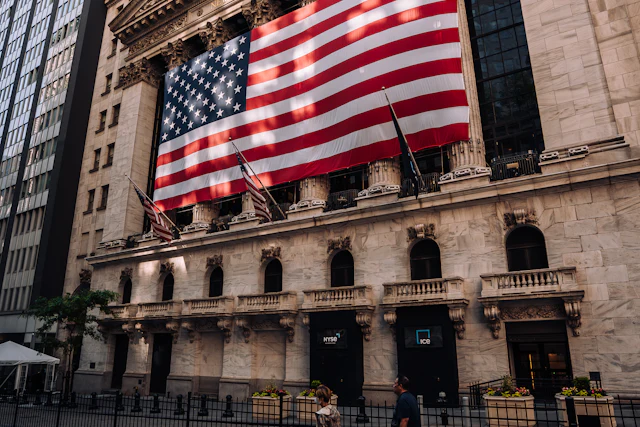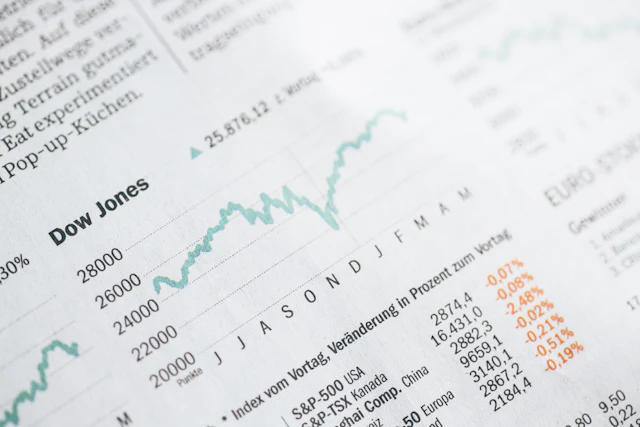


There are fewer publicly listed companies in the United States today than there were in 1996. That's not a trivia question — it's a structural shift in American capitalism that affects everyone who invests in a 401k or index fund. The number of companies trading on US exchanges has fallen from about 8,000 in the late 1990s to under 4,300 today. A significant and growing share of that decline isn't from bankruptcies or mergers. It's from companies choosing to leave — taken private by private equity firms that have concluded the costs of public company status outweigh the benefits.
How a Take-Private Works


A private equity firm identifies a public company it thinks is undervalued — often trading at a discount to comparable private companies. It buys out all public shareholders, usually paying a 20-40% premium to the current stock price, funded primarily with debt that the acquired company's cash flows will need to service. The company goes private, operates under PE ownership for 4-7 years, and exits through a sale, a new IPO, or a sale to another PE firm. The whole logic is that freedom from quarterly earnings pressure and activist shareholders allows management to make decisions — painful restructurings, long-term investments — that would be impossible under public scrutiny.
Why the Boom Is Happening Now
Valuations are the main driver. Many mid-sized public companies are trading at multiples that private equity considers cheap relative to what comparable private companies have sold for recently. A software company generating $100 million in revenue trading at 8x sales in the public market, while similar private companies have transacted at 12-15x, represents an obvious arbitrage. Buy the public company, take it private, restructure or grow it, sell at the private market multiple. Private equity and private credit managers collectively hold roughly $2.5 trillion in dry powder globally — capital committed by investors but not yet deployed — that needs to be put to work to justify management fees. The pressure to do deals is real.
Regulatory and compliance burdens have also made public company status increasingly unattractive for smaller companies. Sarbanes-Oxley compliance, SEC reporting, shareholder litigation risk, investor relations management — for companies with market caps below $2 billion, these costs can consume 1-2% of revenue annually. That's a genuine drag with no upside except the access to capital markets that mid-sized companies often don't need anyway.
Who Gets Hurt
Ordinary investors. The defined contribution retirement system — your 401k — is almost entirely invested in public equities. When the best-performing mid-market businesses get taken private, they become available only to institutional investors and wealthy individuals who qualify as accredited investors. The democratization of investing that index funds enabled gets quietly reversed, business by business, as the most attractive opportunities leave the public markets. Private equity returns have historically exceeded public market returns, though the comparison is complicated by illiquidity and survivorship bias. Either way, ordinary savers are systematically excluded from a meaningful share of wealth creation.
The Regulatory Response
The FTC and DOJ have been more aggressive on large PE acquisitions, particularly in healthcare. Several high-profile transactions have faced extended review or been abandoned. But the regulatory apparatus addresses specific competitive harms, not the macro question of whether the public equity ecosystem is being hollowed out. For now, the take-private boom continues largely unchecked — and its full implications for the structure of American capitalism are still unfolding.
Related Reading