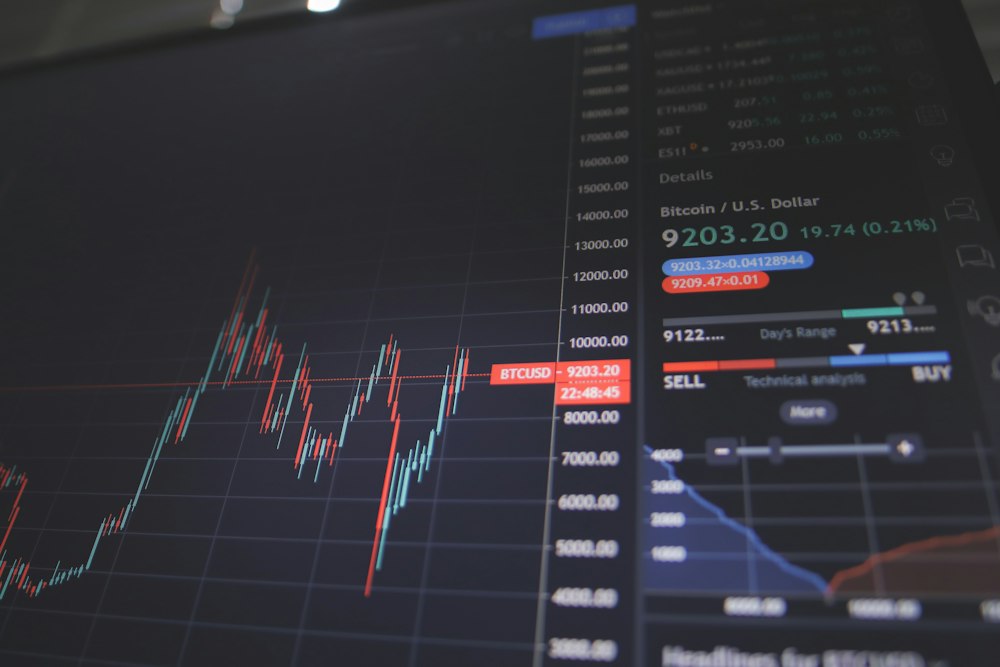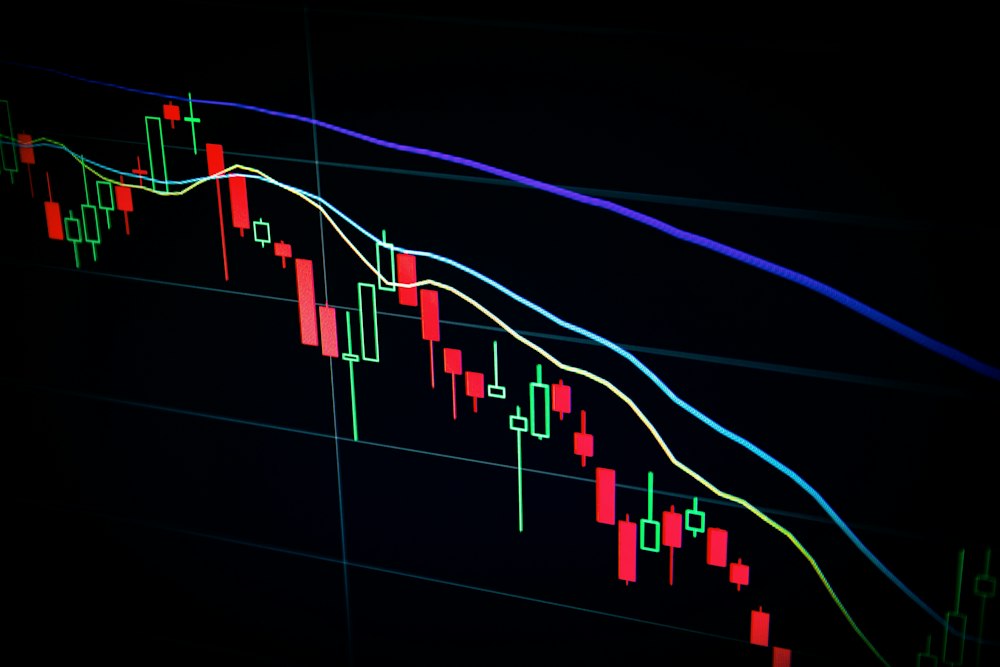
Oil dropped roughly 20% from its 2026 highs over May. The driver was the Iran ceasefire — first the initial deal in April, then the 60-day extension confirmed late in the month. It's been crude oil's worst monthly performance since the pandemic. Airlines rallied 4-6%. Consumer stocks moved. The geopolitical risk premium baked into energy prices for months started unwinding, and everything connected to oil felt it.
Why Iran Moves Oil So Much
Two reasons. Iran controls territory adjacent to the Strait of Hormuz — the waterway that 20% of global oil supply passes through daily. You don't even need Iranian production disrupted. The mere possibility that Hormuz could be restricted justifies a significant risk premium in crude. Markets remember 2019, when drone strikes on Saudi Aramco cut global supply by 5% for a weekend and sent oil up 15%. That memory doesn't fade quickly.
Iranian exports themselves are a moving target too. Under maximum pressure sanctions they dropped below 500,000 barrels per day. As enforcement loosened, they recovered toward 2 million. In a tight supply market, that swing matters.
What Happened Across Markets
The S&P 500 added 1.2% on the extension news, led by anything tied to lower fuel costs. Airlines were the obvious winners — jet fuel is their biggest operating cost. Shipping stocks followed. Consumer discretionary benefited on the logic that lower energy prices leave households with more to spend elsewhere. Gold fell $28/oz as the safe-haven premium partially unwound — but only partially, because gold has other drivers right now beyond geopolitics: central bank buying, dollar weakness, US debt levels. It didn't fully retrace.
Is This Durable?
Skepticism is warranted. A 60-day extension is a pause, not a resolution. The underlying tensions haven't moved — nuclear program disputes, proxy conflicts, competing regional interests. Analysts with long experience in the Middle East are cautious about reading too much into it. Ceasefires there tend to get signed when both sides need time, not when the dispute is genuinely settled.
Oil is still above $78/barrel despite the big May drop. The market unwound the panic premium but isn't pricing zero risk — because zero risk isn't realistic. OPEC's response over the coming weeks will be telling. If they read the easing tension as a reason to loosen supply discipline and increase output, the downward price pressure could compound further beyond what the geopolitical unwind alone implies.