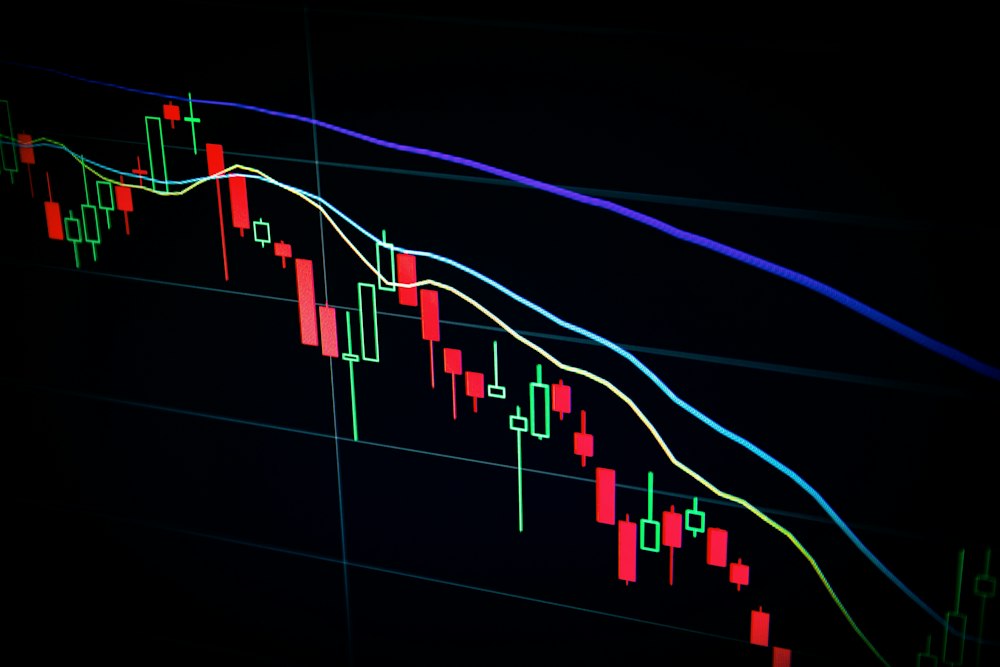
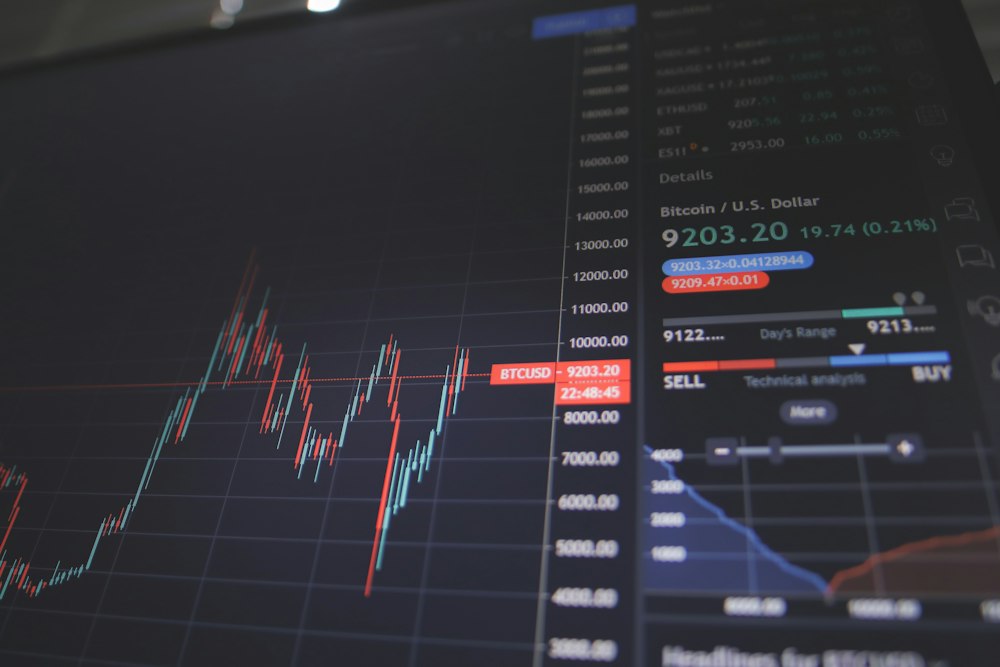
The stock market is a network of exchanges — the NYSE, Nasdaq, and others — where shares of publicly traded companies are bought and sold. When you buy a share, you're buying a tiny ownership stake in that company. If the company grows and becomes more profitable, your stake is worth more. If it struggles, it's worth less. That's the basic bargain, and it hasn't changed since the first stock exchange opened in Amsterdam in 1602.
What Are the Main Indices?
You'll hear about three indices most often: the S&P 500 (the 500 largest US companies by market cap), the Nasdaq Composite (tech-heavy, includes over 3,000 companies), and the Dow Jones Industrial Average (just 30 blue-chip companies, the oldest and most quoted index). These act as scorecards for the overall market's health — when people say 'the market was up today,' they usually mean the S&P 500.
A key thing to understand: indices are weighted by market capitalization, not equally. In the S&P 500, the largest companies — Apple, Microsoft, Nvidia, Amazon — have an outsized influence on the index's movement. A 2% move in Apple affects the S&P 500 more than a 10% move in a smaller company. This concentration has increased dramatically over the past decade, which is worth knowing if you think you're buying broad diversification.
How Do You Actually Buy a Share?
You open a brokerage account — Fidelity, Schwab, and Robinhood are popular options — deposit money, search for a company's ticker symbol (AAPL for Apple, MSFT for Microsoft), and place a buy order. Most brokers now offer zero-commission trades on stocks and ETFs, a change that happened around 2019 and genuinely democratized investing for small accounts.
There are two main order types: a market order (buy immediately at whatever the current price is) and a limit order (only buy if the price drops to a level you specify). For most long-term investors buying broad index funds, market orders are fine. For individual stocks or during volatile markets, limit orders protect you from paying more than intended if the price moves sharply between when you place the order and when it executes.
Settlement — the transfer of shares from seller to buyer — now happens in one business day (T+1) in the US following a 2024 rule change. This means if you sell a stock on Monday, the cash is in your account on Tuesday. For most investors this is a background technical detail, but it matters if you're planning transactions around specific dates.
What Makes Stock Prices Move?
In the short term, almost anything — earnings reports, economic data, interest rate changes, geopolitical news, even tweets. In the long term, what drives stock prices is earnings growth. A company's stock price is essentially a bet on its future profits, discounted back to today. When a company grows faster than expected, the stock rises. When growth disappoints, it falls.
The price-to-earnings ratio (P/E) is the most common shorthand for whether a stock is cheap or expensive. It tells you how many dollars investors are paying for each dollar of annual earnings. The S&P 500's long-run average P/E is around 16. When it trades at 25 or 30, investors are paying a premium for expected future growth — and accepting the risk that growth doesn't materialize.
The Key Insight Most Beginners Miss
You don't need to pick individual stocks. A single S&P 500 ETF gives you exposure to 500 companies for a management fee as low as 0.03% per year. Decades of academic research show that the vast majority of professional fund managers underperform simple index funds over long time periods, after fees. The reason is straightforward: markets are competitive. Millions of smart, well-resourced investors are constantly analyzing the same companies, and it's extremely difficult to consistently know more than the collective market does.
The one genuine edge available to ordinary investors is time. You can hold through downturns without the pressure of quarterly redemptions that institutional managers face. Markets have recovered from every crash in history — every one. An investor who bought the S&P 500 at the absolute peak before the 2008 financial crisis and held without touching it would have more than tripled their money by 2026. The biggest risk isn't market volatility — it's selling during the panic and missing the recovery.
Understanding this intellectually is easy. Acting on it when your portfolio is down 30% and every headline is predicting doom is hard. The investors who consistently outperform are not necessarily the smartest — they're the ones who have built systems and habits that prevent emotional decisions during periods of market stress.