
There are roughly 195 countries in the world. This spring, only two of them, the United States and China, produced more in a single year than one American chip company was worth on the stock market.
The company is Nvidia. In May its market value touched about $5.7 trillion before easing back toward $5 trillion, where it sits in mid-June 2026. That's not its yearly sales. It's the company's price tag as a business, what it would cost to buy up every share. A number that size sails past the annual output of almost every nation on Earth: Japan, India, the United Kingdom, for starters. One company, in California, selling mostly one kind of product. Here are five ways to feel how big that is, and one reason to stay a little wary.
1. It out-ranks almost every economy on the planet
A company's market value (its share price times the number of shares) isn't the same thing as a country's yearly output (its GDP), but the scale is still arresting. Right now Nvidia's value exceeds the projected 2026 GDP of the United Kingdom (about $4.3 trillion), France ($3.6 trillion), Canada ($3.3 trillion), and Italy ($2.7 trillion). Spain's entire economy, around $2.1 trillion, wouldn't buy you half a Nvidia.
Or come at it sideways: add up the yearly GDP of the 19 smallest economies in the European Union, countries like Greece, Hungary, Croatia, and Slovakia, and the total lands near $5 trillion, about what Nvidia is worth on a single busy trading day. At today's price, only three economies on Earth out-produce it in a year: the United States, China, and Germany.
2. In May, it briefly passed Germany too
For a few days this spring, that list was down to two. At its $5.7 trillion peak, Nvidia edged past Germany's entire projected annual output of roughly $5.45 trillion, the world's third-largest economy. A chip maker founded in a Denny's booth was worth more, on paper, than everything Germany builds and sells in a year: the cars, the chemicals, the machinery, all of it.
It has since slipped back toward $5 trillion, which nudges Germany ahead again. Hold on to that detail. It matters later.
3. It added trillions in a matter of months
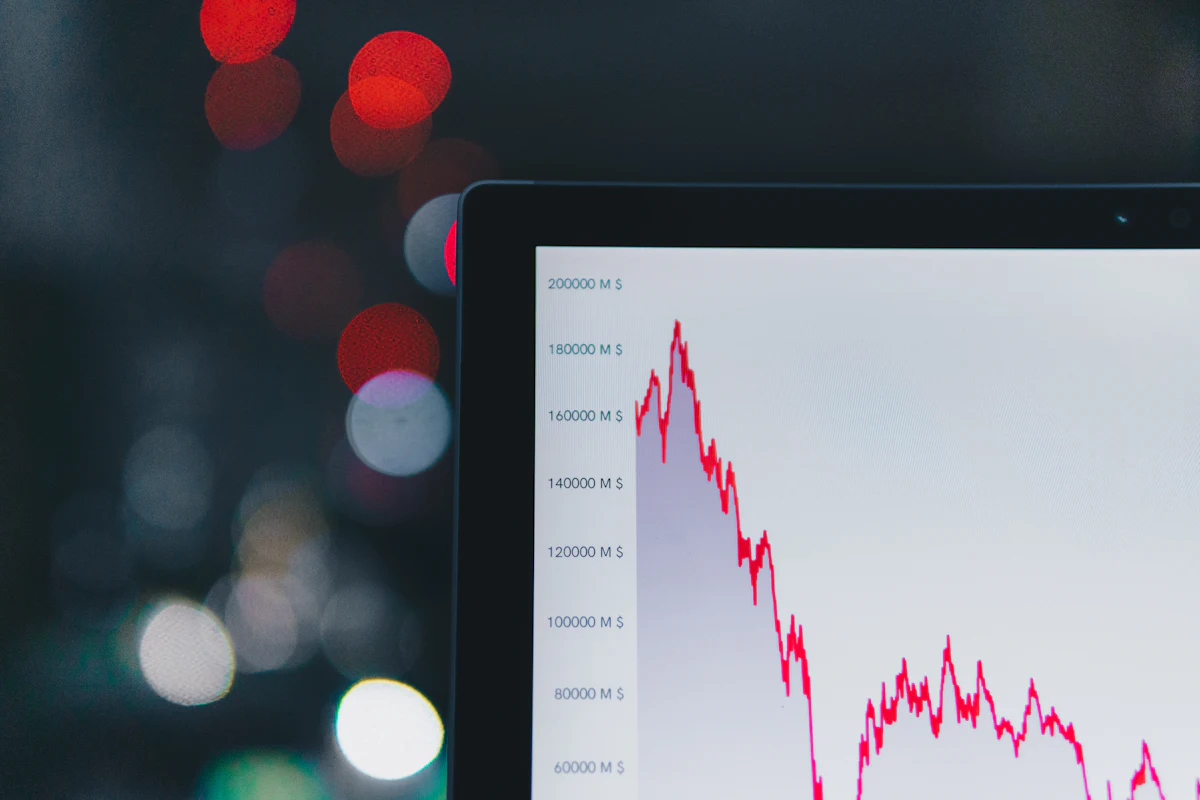
Blink and you'd have missed it. Nvidia became the first company in history to cross $5 trillion in October 2025, then ran hundreds of billions higher by the May peak. In a single spring, the gain alone, just the rise in its paper value, was worth more than the entire market value of nearly any other company alive: Walmart, Coca-Cola, Disney, take your pick. Value at this scale used to take a company a century to build. This took a few months of trading. The flip side is just as dizzying, because the same engine that adds a Disney in a quarter can subtract one just as fast, and over the past few weeks it has been doing exactly that.
4. One product line is doing nearly all the lifting
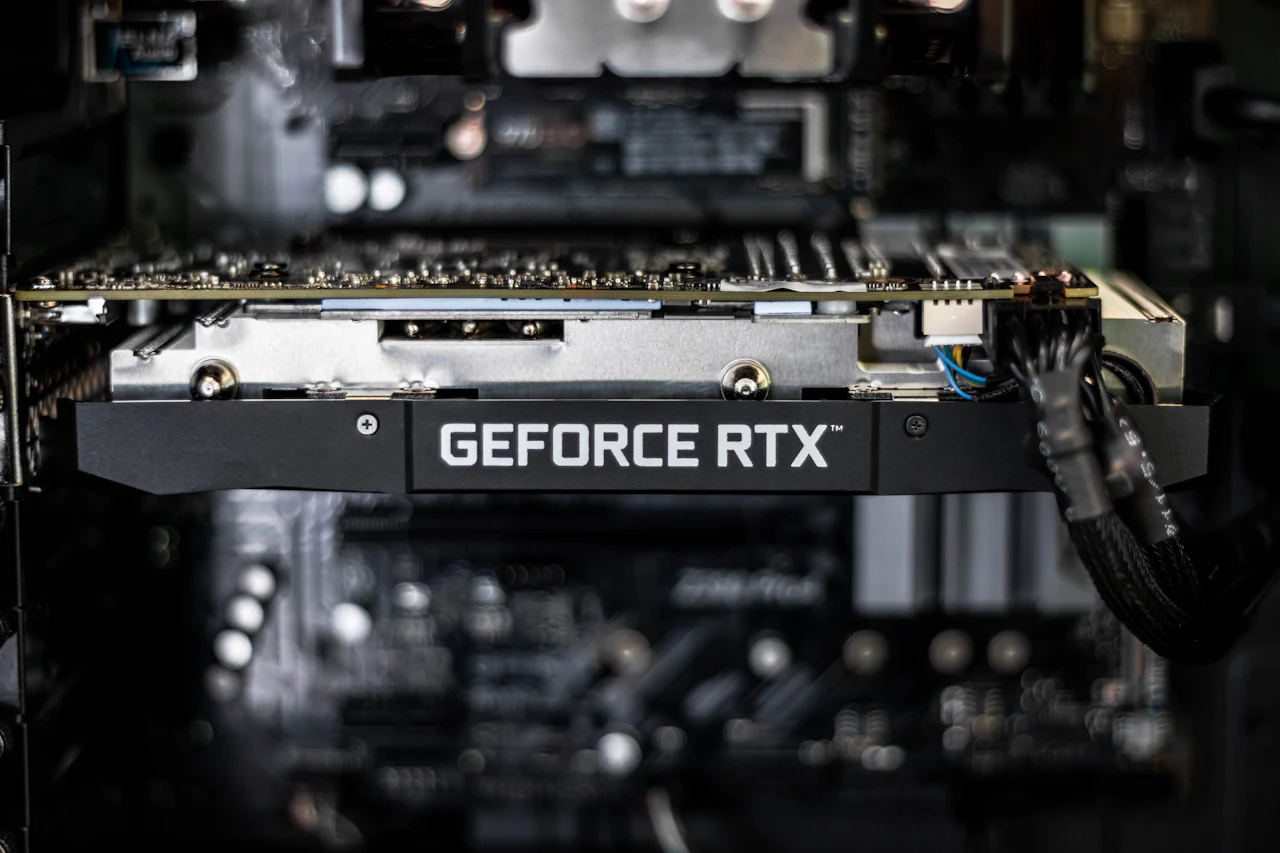
None of this is sorcery. It's GPUs, the chips that train and run artificial intelligence. Every major AI buildout in the world flows through Nvidia hardware, which is how a single supplier got this big. The same wave lifted the rest of the industry: Oracle's $553 billion bet on AI cloud capacity, Broadcom's doubling AI revenue, and the data-center electricity demand now turning up on ordinary power bills. Nvidia is the company selling shovels to every crew in the gold rush.
That concentration cuts both ways. A handful of customers, the giant cloud and AI firms, make up an outsized share of Nvidia's sales. If even a few of them trim spending, or follow through on designing their own chips, the demand holding up that price tag thins out fast. A $5 trillion business built on one product for a short list of buyers stands on a narrow base.
5. It dethroned Apple, and reshuffled the whole leaderboard
It's easy to forget how fast this happened. Two years ago Apple was the most valuable company on Earth and Nvidia was a fraction of its size. That order has flipped. Nvidia now sits at number one near $5 trillion, while Apple, still one of the most profitable businesses ever built, has slipped to third, worth about $4.5 trillion, after Alphabet squeezed past it for second. The gap between Nvidia and Apple is real but not a canyon, roughly $600 billion, and it opened in a couple of years. The story isn't that Apple shrank. It's how quickly the AI trade rewrote the top of the market: when Nvidia first overtook Apple not long ago, that was the headline; now it's just the backdrop.
So is Nvidia really "bigger than Germany"?
This is where the honesty has to come in, because the fun-fact version oversimplifies.
Market cap and GDP measure completely different things. GDP is everything a country actually makes and sells in a year, every meal served, every nurse's shift, every car off the line, a real, counted number. A market cap is just today's share price times the share count, a bet on how much cash a company might throw off years from now. It's closer to a collective mood than to accounting. Lining the two up is useful for a sense of scale, but it isn't a precise comparison, and any honest version of it says so out loud.
Then there's the speed. Nvidia's value fell from about $5.7 trillion in May to near $5 trillion in a few weeks, erasing more than the worth of most large companies on Earth in a fortnight. Germany's economy doesn't shed the equivalent of a Netflix in two weeks. That volatility makes a market cap a fundamentally different kind of thing from a nation's output, however the headline frames it.
And the whole figure rests on one assumption: that AI demand keeps climbing and that Nvidia keeps owning it. If spending cools, or rivals catch up, or customers start rolling their own chips, the same multiplier that built $5 trillion runs in reverse. We've already seen a preview of that whiplash, when Broadcom's AI revenue doubled and its stock still fell 12%, proof that even stellar numbers can disappoint a market that has priced in perfection.
So enjoy the fun fact, because it's a real one. A single company is worth more than the yearly output of almost every country on the planet, and that says something true about where the world is pouring its money in 2026. Just remember it's a bet, repriced by the minute, not a truth carved into stone. Germany's economy will still be here next quarter. Whether Nvidia is still worth more than all of it is a question the market gets to answer again, every single trading day.
Sources
- StockAnalysis — NVIDIA (NVDA) Market Cap
- Worldometer / IMF — Germany GDP (2026)
- Yahoo Finance — Alphabet overtakes Apple as world's second-most-valuable company
- Euronews — Nvidia surpasses Germany: tech-giant market caps vs top economies